
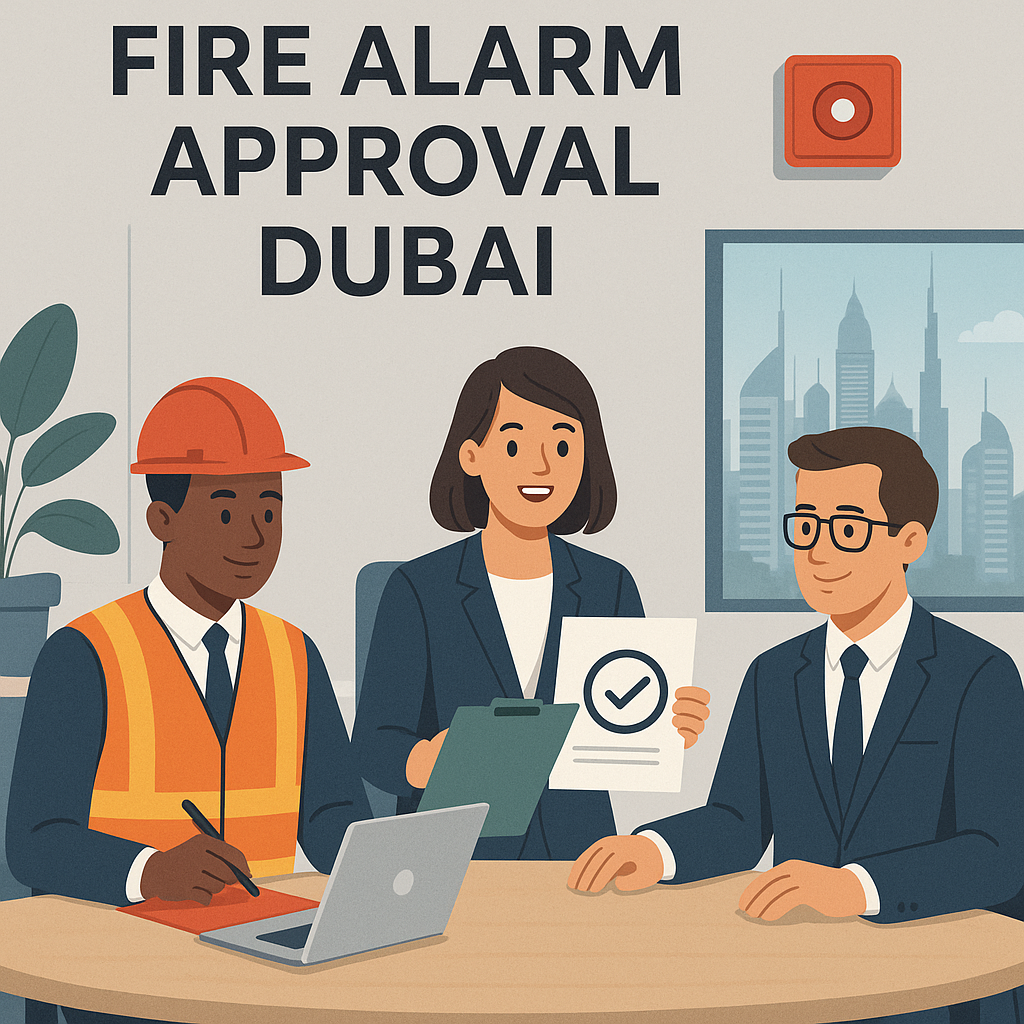
Understanding Fire Alarm Approval in Dubai
Fire safety is a top priority in Dubai, where the rapid urbanization and construction of high-rise buildings require strict adherence to safety standards. To ensure the safety of residents and business occupants, the implementation of fire alarm systems is mandated. This article will provide a comprehensive overview of fire alarm approval in Dubai, including regulations, procedures, and best practices.
Why Fire Alarm Systems are Essential
The importance of fire alarm systems cannot be overstated. They serve as the first line of defense in the event of a fire, providing early warning to occupants and enabling timely action to mitigate risks. Here are some reasons why they are essential:
- Life Safety: Early detection of fire can save lives by allowing people to evacuate safely.
- Property Protection: Minimizing damage to buildings and assets can save significant costs in the long run.
- Compliance: Adhering to local fire safety regulations is mandatory for legal operation.
Regulatory Framework for Fire Alarm Approval
In Dubai, the Regulatory Framework for fire alarm approval is overseen by several authorities, primarily the Dubai Civil Defence and various municipal bodies. Understanding this framework is crucial for obtaining the necessary approvals.
Key Governing Bodies
The main organizations involved in the fire safety approval process include:
- Dubai Civil Defence (DCD): Responsible for setting the standards and regulations for fire safety.
- Dubai Municipality: Oversees construction and ensures that fire safety measures are incorporated into building designs.
- Fire Safety Engineering Committee: Works on defining standards for fire alarm systems.
Relevant Codes and Standards
Fire alarm systems in Dubai must adhere to various national and international codes, including:
- The UAE Fire and Life Safety Code of Practice.
- International Fire Code (IFC).
- National Fire Protection Association (NFPA) standards.
Steps for Obtaining Fire Alarm Approval
Obtaining fire alarm approval in Dubai involves a structured process. Understanding each step can simplify the journey toward compliance.
1. Pre-Application Requirements
Before initiating the application process, it’s essential to gather the following documents:
- Architectural plans highlighting fire safety measures.
- Technical specifications of the fire alarm system.
- Evidence of compliance with relevant codes.
2. Submission of Application
The next step involves submitting a formal application to Dubai Civil Defence. This application should include:
- Completed application form.
- Supporting documents, including plans and specifications.
- Payment of applicable fees.
3. Review Process
After submission, the DCD will review the application. This may involve:
- A technical assessment of the fire alarm system.
- Site inspections to verify that plans align with actual constructions.
4. Approval and Installation
Upon successful review, an approval letter will be issued, allowing for the installation of the fire alarm system. It’s crucial to engage certified professionals for the installation to ensure compliance.
5. Final Inspection and Approval
Once installed, a final inspection by the DCD ensures that the system operates as intended. A successful inspection will result in the issuance of a compliance certificate.
Common Challenges in Fire Alarm Approval
While the process is designed to be systematic, applicants may encounter several challenges, including:
Lack of Technical Knowledge
Many building owners or managers may lack the necessary technical expertise to navigate complexities in fire alarm installations and compliance.
Understanding Regulatory Changes
Fire safety regulations can change, and staying updated is critical. Some may find it challenging to keep abreast of these changes.
Complexity of Documentation
The documentation required can be extensive, and failing to provide the necessary information can lead to delays or rejections in the application process.
Best Practices for Fire Alarm Approval
To avoid common pitfalls and streamline the approval process, consider these best practices:
Engage Qualified Professionals
Working with qualified fire safety engineers and certified contractors can help ensure compliance with all regulations and standards.
Thoroughly Review Documentation
Ensure that all architectural and technical documentation is accurate, up-to-date, and complete before submission.
Maintain Open Communication with Authorities
Regular communication with the DCD and other authorities can help clarify requirements and expedite the approval process.
Cost Implications of Fire Alarm Approval
Understanding the financial aspect of fire alarm systems is crucial for budgeting. Costs can vary based on:
System Type
Different types of fire alarm systems come with varying price points. For instance, a basic system will cost less than a comprehensive, advanced system.
Installation Fees
Hiring a certified contractor may entail significant labor costs, so it’s essential to select a qualified and cost-effective service provider.
Maintenance Costs
Regular maintenance of fire alarm systems is required to ensure they remain operational and compliant over time, which may contribute to ongoing costs.
Leveraging Technology for Fire Safety
Advancements in technology have introduced innovative solutions that can enhance fire safety. Consider the following:
Smart Fire Alarm Systems
These systems utilize IoT technology to provide real-time monitoring and alerts, allowing for quick response in emergencies.
Data Analytics
Analyzing data from fire alarm systems can identify trends and potential weaknesses in safety measures, allowing for proactive enhancements.
FAQ Section
What is the role of Dubai Civil Defence in fire alarm approval?
The Dubai Civil Defence oversees the approval process for fire alarm systems, ensuring compliance with safety regulations and standards.
How long does the fire alarm approval process take?
The duration varies based on the complexity of the application. On average, the process can take several weeks, from submission to final inspection.
Are there penalties for non-compliance with fire safety regulations?
Yes, non-compliance can lead to legal repercussions, fines, and potential shutdowns of businesses in violation of safety standards.
Can I install a fire alarm system myself?
It is recommended to hire qualified professionals for installation, as incorrect installation can lead to compliance issues.
What should I do if my application for fire alarm approval is rejected?
Review the feedback provided by the DCD, address the issues raised, and resubmit your application with the necessary corrections.
Conclusion
Fire alarm approval in Dubai is a crucial step in ensuring the safety of individuals and properties. By understanding the regulatory framework, navigating the approval process, and adopting best practices, building owners can enhance their fire safety measures effectively. Always stay informed and proactive in maintaining compliance to safeguard lives and assets.
Call to Action
If you’re looking to install a fire alarm system or require assistance with the approval process in Dubai, don’t hesitate to reach out to our team of fire safety experts. We can guide you through every step to ensure your compliance and safety. Contact us today to learn more!
